Portable X-ray machines have become a practical choice for clinics, hospitals, and mobile medical teams that need flexibility without sacrificing image quality.
But with so many models on the market, choosing the right system can feel overwhelming — especially if you’re balancing budget, space, and diagnostic needs.
This guide breaks things down in a simple, real-world way, so you can make a confident decision without over-engineering the process.
Unlike fixed X-ray rooms, portable X-ray systems are designed to move with your workflow — not the other way around.
Clinics and mobile imaging providers choose portable X-ray machines because they allow:
Fast deployment in small rooms or temporary setups
On-site imaging for wards, emergency care, or rural clinics
Lower installation and infrastructure costs
Easy upgrades to digital radiography (DR)
According to industry guidance from organizations like the Radiological Society of North America (RSNA), mobile and digital X-ray systems play an increasingly important role in improving access to diagnostic imaging in non-traditional clinical environments.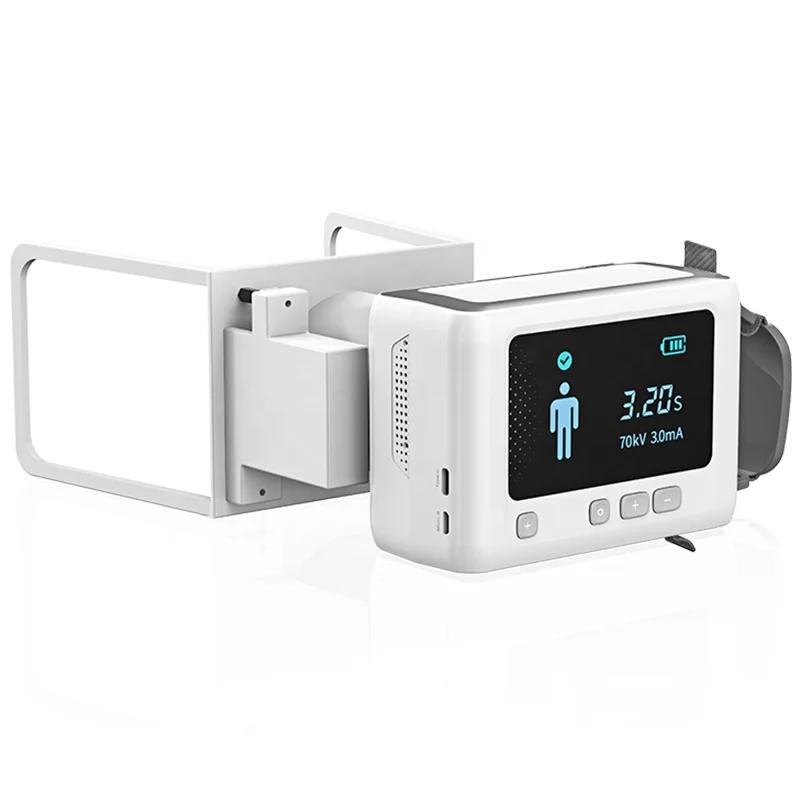
Portability should never mean “compromise.”
Look for systems that support high-resolution digital imaging and work seamlessly with flat panel detectors (FPD).
A good portable X-ray machine should deliver:
Clear bone and soft-tissue contrast
Stable exposure output
Consistent image quality across different body parts
👉 Related reading:
Top 5 Applications of Mobile X-Ray Machines in Hospitals & Clinics
Modern portable X-ray systems often pair with wireless DR panels, which dramatically improve workflow.
Benefits include:
Faster positioning
Fewer cables in tight spaces
Immediate image transfer to workstation or PACS
If you’re upgrading from CR or older wired DR, this alone can cut exam time significantly.
👉 Recommended product:
Portable X-Ray Machine – Wireless Digital Radiography Systems
Your environment matters more than you think.
Portable X-ray machines are commonly used in:
Small hospitals and private clinics
Emergency and trauma wards
Rural or township health centers
Veterinary clinics
Mobile imaging vans and outreach programs
If your equipment needs to move frequently or operate in hot, humid, or unstable power environments, durability and thermal stability are critical.
👉 Helpful reference:
How to Maintain Digital X-Ray Equipment for Long-Term Use
Before purchasing, always confirm:
Compatibility with existing DR panels
PACS / DICOM integration
Power requirements and voltage range
A system that supports future upgrades will protect your investment as your imaging needs grow.
The World Health Organization (WHO) also highlights the importance of scalable diagnostic equipment for long-term healthcare sustainability — especially in developing regions.
Portable X-ray machines are not meant to replace high-end fixed rooms for all cases.
Instead, they work best when you need:
Flexibility
Speed
Lower setup cost
Broader coverage across departments or locations
Many facilities use both — a fixed room for routine imaging and a portable unit for overflow, bedside exams, or special situations.
A good portable X-ray system should make daily work easier — not add complexity.
Focus on:
Reliable imaging performance
Wireless DR compatibility
Easy operation and maintenance
Strong after-sales and technical support
At the end of the day, the “best” system is the one that fits your real workflow.
Thinking about upgrading or adding a portable X-ray system?
Tell us about your clinic size, application, and budget — and we’ll recommend the most suitable configuration for you.
With 23 years of manufacturing experience, Fatali-Med helps clinics and imaging providers choose confidently and invest wisely.
📩 Contact us anytime for a tailored recommendation.


